
Become a Certified Flight Instructor in Dayton
Learn how to teach, brief, demonstrate, evaluate, and coach the next generation of pilots.
Instructor Certification
Certified Flight Instructor Certificate
Becoming a flight instructor is a major step from flying the airplane to teaching someone else how to think, decide, and fly safely. The FAA flight instructor certificate, commonly called CFI, requires you to demonstrate both pilot proficiency and instructional ability.
At Dayton Aviation Services, CFI training helps commercial pilots convert their knowledge into clear lessons, effective briefings, safe demonstrations, and useful student feedback. You will learn to explain maneuvers, recognize common student errors, manage risk from the instructor seat, and prepare for the oral and flight portions of the practical test.
This program is designed for pilots who already have a strong commercial-level foundation and are ready to develop the professionalism, patience, and teaching discipline expected of an instructor.
- Training Type
FAA Part 61
- Duration ¹
Based on preparation and proficiency
- Cost
Contact us for program pricing
¹ Individual performance may vary based on personal diligence, flying full-time or part-time, aptitude, and weather.
Program Benefits
- Training focused on lesson planning, ground instruction, flight demonstration, and student evaluation
- Preparation for the Fundamentals of Instruction, flight instructor knowledge, oral exam, and practical test
- Instruction based at Moraine Airpark with practical teaching scenarios in Dayton-area training environments
Requirements
- Be at least 18 years old
- Be able to read, speak, write, and understand English
- Hold a Commercial Pilot Certificate or Airline Transport Pilot Certificate with the appropriate category and class rating
- Hold the appropriate instrument rating when seeking airplane flight instructor privileges
- Meet FAA knowledge test, endorsement, spin training, and practical test eligibility requirements
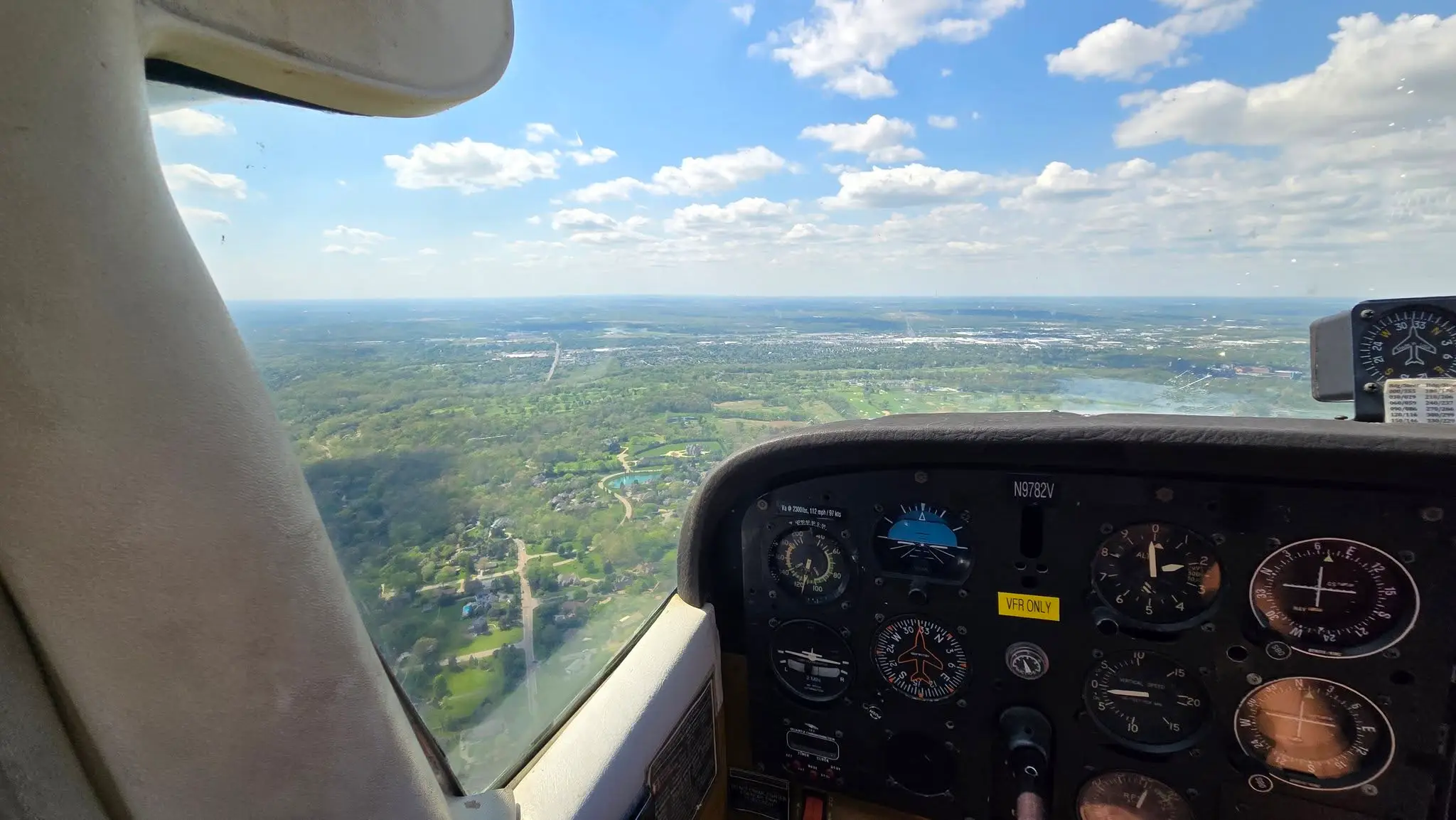
Teach With Purpose
Move From Performing Maneuvers to Teaching Them
CFI training changes the standard. It is not enough to fly a maneuver well. You must be able to brief it, demonstrate it, narrate it, identify errors, correct those errors, and keep the student safe while they learn.
The best instructor candidates come prepared to study, build lesson plans, practice teaching out loud, and refine their flying from the right seat.
Syllabus Overview
From Commercial Pilot to Instructor Candidate
The CFI process is built around teaching proficiency. FAA requirements include ground training on the fundamentals of instructing, aeronautical knowledge for the rating sought, flight and ground training on required areas of operation, instructor endorsements, and a practical test.
Your timeline depends heavily on preparation before and between lessons. Lesson-plan development, oral practice, knowledge test preparation, and chair-flying demonstrations are a major part of successful CFI training.
Phase One
Fundamentals of Instruction and Lesson Planning
The first phase focuses on how people learn and how instructors teach. You will work through the fundamentals of instructing, student evaluation, lesson structure, risk management, and the habits that make training clear and consistent.
You will also begin building and presenting lesson plans so your knowledge becomes teachable, organized, and practical for real students.
- Learning process and effective teaching methods
- Student critique, evaluation, and scenario-based questions
- Lesson plan development and ground teaching practice
- Knowledge test preparation and instructor endorsements

Phase Two
Technical Subject Areas and Ground Teaching
CFI applicants must be ready to teach the aeronautical knowledge behind private and commercial pilot training. This phase strengthens your ability to explain regulations, aerodynamics, aircraft systems, performance, weather, navigation, airspace, endorsements, and checkride standards.
The emphasis is on concise explanations, accurate references, and the ability to adjust your teaching when a student does not understand the first explanation.
- Aerodynamics, systems, performance, and limitations
- Regulations, endorsements, and instructor responsibilities
- Weather, airspace, navigation, and flight planning
- Oral exam practice using FAA standards and scenarios

Phase Three
Right-Seat Flying and Demonstration Skill
Flight training shifts your commercial pilot skills into the instructor role. You will practice demonstrating maneuvers from the right seat, narrating procedures, maintaining situational awareness, and correcting common student errors while preserving safety margins.
The goal is not just commercial-level precision. The goal is to fly in a way a student can understand, copy, and learn from.
- Preflight briefings and maneuver demonstrations
- Takeoffs, landings, performance maneuvers, and ground reference maneuvers
- Slow flight, stalls, emergency operations, and basic instrument maneuvers
- Positive exchange of controls and student error correction
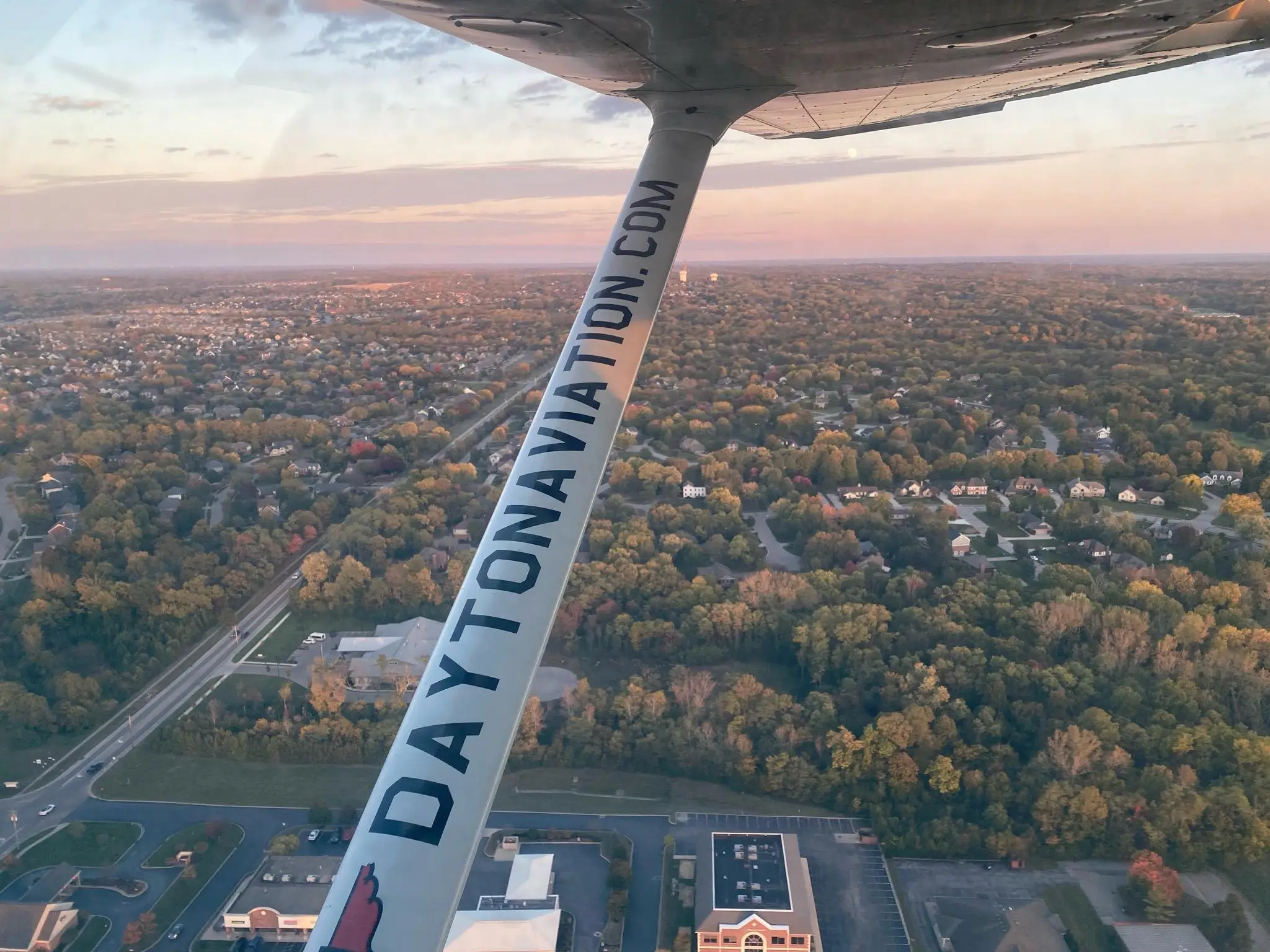
Phase Four
Spin Training and Checkride Preparation
For an airplane flight instructor certificate, FAA rules require training and endorsement for instructional proficiency in stall awareness, spin entry, spins, and spin recovery procedures. Your instructor will also verify readiness for the required areas of operation before the practical test.
The final phase brings everything together through mock oral sessions, lesson presentations, right-seat flight review, endorsements, and practical test preparation.
- Stall awareness, spin entry, spins, and spin recovery training
- Mock oral exam and lesson presentation practice
- Flight instructor practical test preparation
- Final review of endorsements, documents, and eligibility

You Are Ready to Teach as a Flight Instructor
After successful completion of the FAA practical test, you earn a flight instructor certificate with the appropriate rating and may provide instruction within the privileges and limitations of that certificate.
The certificate also marks the beginning of a new responsibility. A strong CFI continues studying, standardizing, and improving so each student receives safe, clear, and professional instruction.
Clear Your Doubts
Frequently Asked Questions
Can I train part-time?
Yes. Dayton Aviation supports both full-time and part-time students with flexible scheduling.
Got any more questions? Contact us and we will be happy to answer.
Enroll
Begin Training at Dayton Aviation
Fill out this form and we will get back to you shortly.
Contact Information
Dayton Aviation Services
Location
3800 Clearview Rd, Dayton, OH 45439Phone
(937) 372-2460Hours
Hours may differ on holidays.