
Earn Your Private Pilot Certificate in Dayton
Build the skills, judgment, and confidence to fly safely as pilot in command.
Foundational Pilot Training
Private Pilot Certificate
The Private Pilot Certificate is the first major milestone for many pilots and the foundation for nearly every aviation goal that follows. At Dayton Aviation Services, students learn in a practical, supportive environment based at Moraine Airpark in Dayton, Ohio.
Training blends aircraft control, aeronautical knowledge, communication, navigation, weather planning, and real-world decision-making. You will learn how to operate safely in the local area, plan cross-country flights, and manage the responsibilities that come with acting as pilot in command.
Whether you want to fly for personal travel, recreation, or as the first step toward advanced ratings, this program helps you build durable habits and confidence from the first lesson through checkride preparation.
- Training Type
FAA Part 61
- Duration ¹
2 to 6 months
- Cost
Contact us for program pricing
¹ Individual performance may vary based on personal diligence, flying full-time or part-time, aptitude, and weather.
Program Benefits
- Structured flight training from first lesson through checkride preparation
- Instruction focused on safety, decision-making, and confident aircraft control
- Training based at Moraine Airpark with access to Dayton-area practice environments
Requirements
- Be at least 17 years old before the FAA practical test
- Be able to read, speak, write, and understand English
- Hold the required FAA medical or qualifying BasicMed eligibility before acting as pilot in command
- Meet TSA and FAA eligibility requirements before beginning applicable training activities

Ready for the First Step?
Start With a Discovery Flight or Begin Enrollment
A discovery flight is the easiest way to experience the cockpit, meet the team, and see what private pilot training feels like before committing to a full program.
If you already know you are ready to train, the enrollment path helps us understand your goals, schedule, and next steps so we can get your flight training moving.
Syllabus Overview
From First Lesson to Private Pilot
Private pilot training moves through clear phases so each new skill has a foundation. Early lessons focus on aircraft control and procedures, then progress into solo flight, cross-country planning, night operations, and checkride readiness.
Your instructor will guide each phase based on FAA requirements, your consistency, and your ability to demonstrate safe decision-making in the airplane.
Phase One
Fundamentals and First Solo
The first phase builds the core habits of safe flying. You will learn preflight procedures, basic maneuvers, takeoffs and landings, radio communication, emergency procedures, and how to manage the airplane with consistency.
As your skills and judgment develop, your instructor will prepare you for one of the most memorable milestones in aviation: your first supervised solo flight.
- Aircraft preflight and cockpit procedures
- Basic aerodynamics and aircraft control
- Traffic pattern operations and landings
- First solo preparation and endorsement

Phase Two
Navigation, Cross-Country, and Night Flying
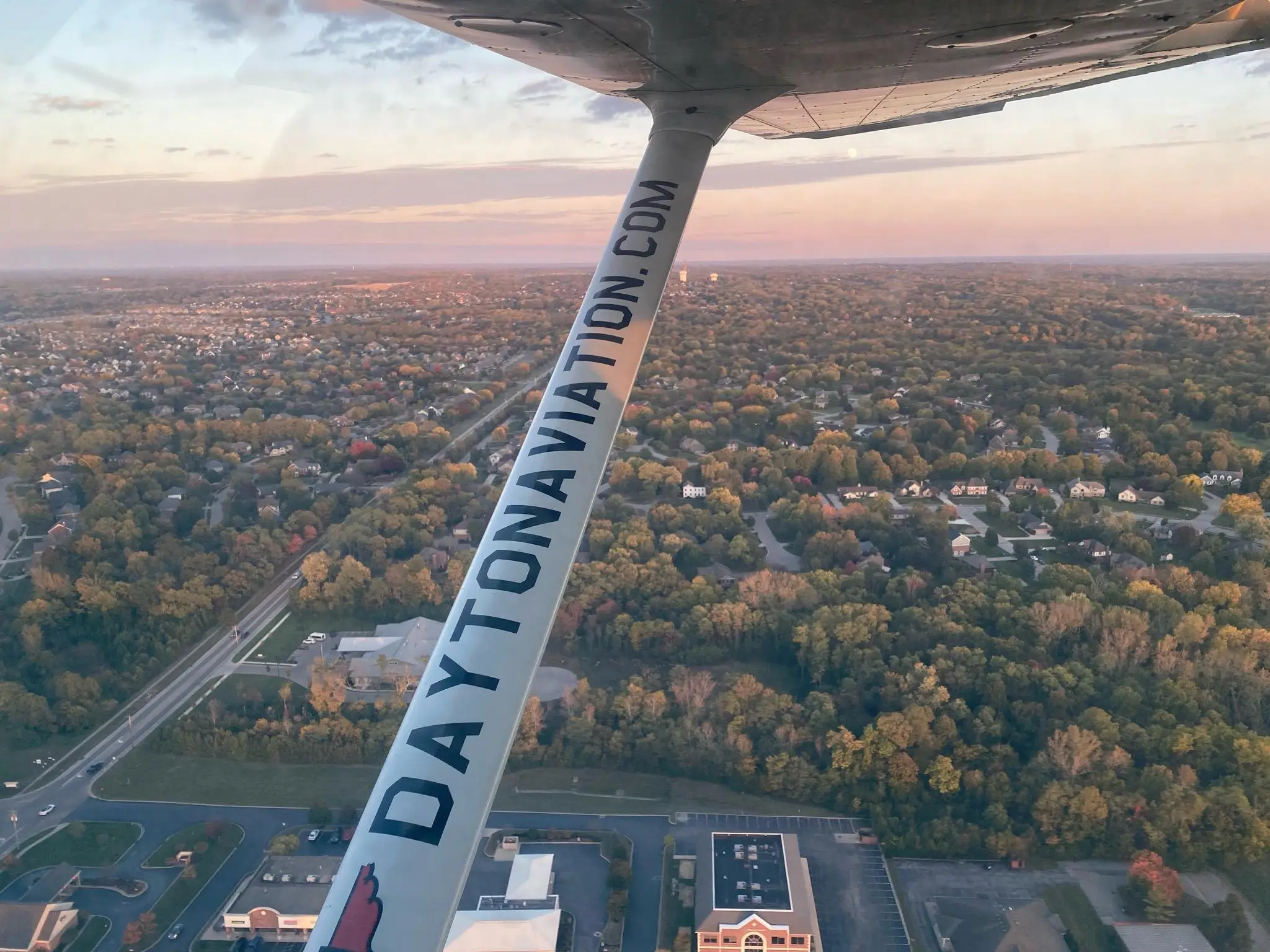
Once the fundamentals are reliable, training expands beyond the local pattern. You will plan and fly cross-country routes, evaluate weather, use navigation tools, communicate with air traffic services, and make practical decisions before and during flight.
Night training introduces different visual cues and operating considerations, helping you become more adaptable while meeting private pilot experience requirements.
- Flight planning and fuel calculations
- Weather review and go/no-go decision-making
- Dual and solo cross-country operations
- Night flight procedures and airport lighting
Phase Three
Checkride Preparation
The final phase focuses on polishing maneuvers, strengthening weak areas, and preparing for the FAA practical test. You will review oral exam topics, practice scenario-based decision-making, and fly to the standards expected of a private pilot applicant.
Mock checkride preparation helps you understand the flow of the test and step into the practical exam with confidence.
- FAA Airman Certification Standards review
- Oral exam and scenario preparation
- Maneuver refinement and emergency procedures
- Practical test readiness with instructor guidance
You Are Ready to Fly as a Private Pilot
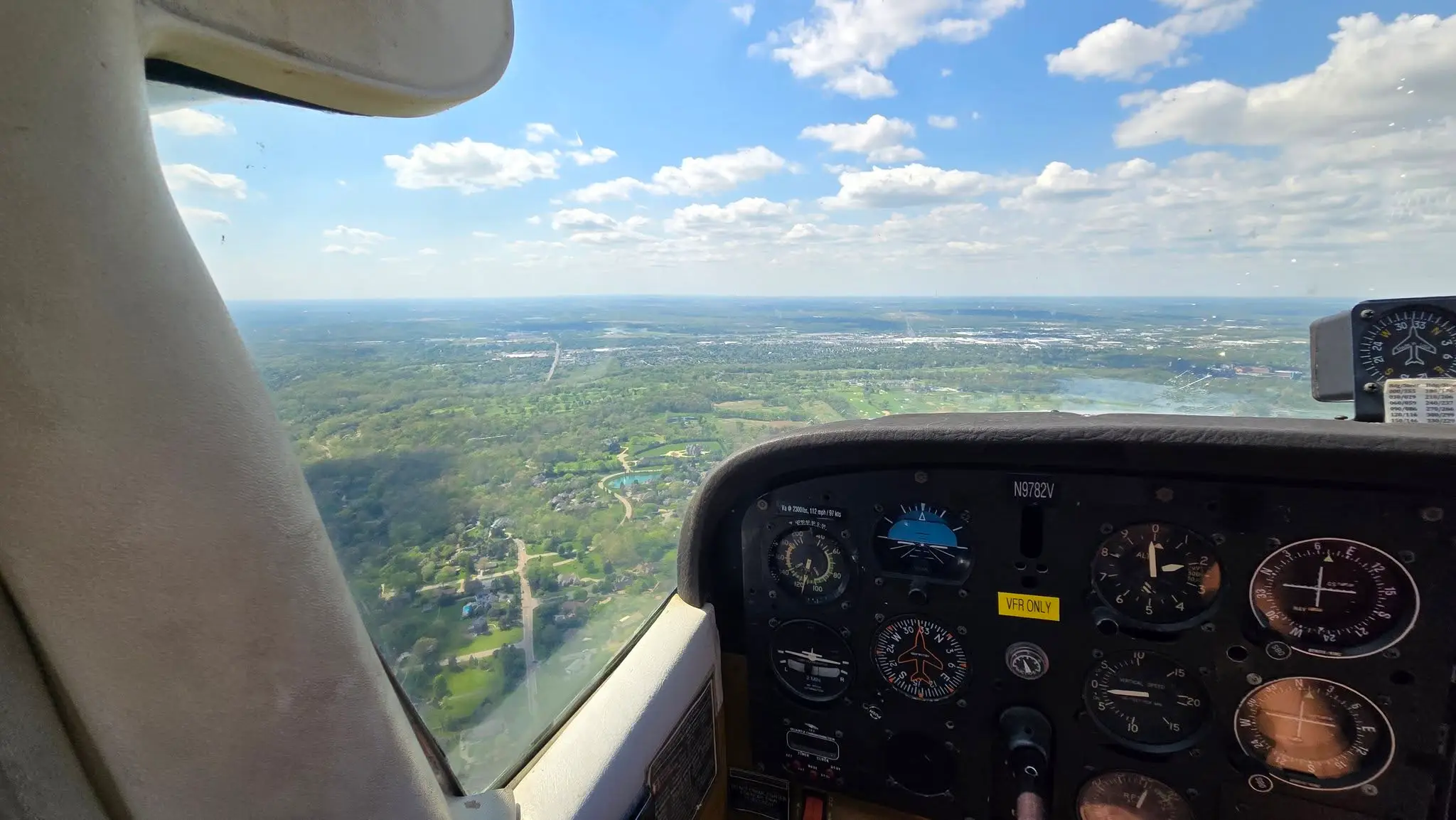
After successful completion of the FAA practical test, you earn a Private Pilot Certificate and may act as pilot in command within the privileges and limitations of the certificate.
For many students, this is also the launch point for instrument training, commercial pilot training, aircraft ownership, or simply the freedom to share aviation with family and friends.
Clear Your Doubts
Frequently Asked Questions
Do I need any prior experience or background to start?
No prior aviation experience is required. All training begins with fundamentals and builds toward advanced skills.
What are the requirements to start flight training?
In order to start training for a private pilot license, the base certification for flight training, you must:
- Be proficient in English.
- Be at least 17 years old when you complete the course.
- Have proof of U.S. citizenship or completed TSA approval.
- Hold at least a Third-Class Medical Certificate before you can fly solo. An FAA medical exam by an Aviation Medical Examiner (AME) is required.
What does flight training consist of?
Training includes:
- Ground School
Classroom instruction covering aerodynamics, regulations, weather, navigation, and safety. - Dual Flight Instruction
Flight hours with a certified instructor. - Solo Flight Time
Supervised solo flights once eligibility and proficiency standards are met. - Written and Practical Exams
FAA Knowledge Tests and Check-Rides.
Can I train part-time?
Yes. Dayton Aviation supports both full-time and part-time students with flexible scheduling.
Got any more questions? Contact us and we will be happy to answer.
Enroll
Begin Training at Dayton Aviation
Fill out this form and we will get back to you shortly.
Contact Information
Dayton Aviation Services
Location
3800 Clearview Rd, Dayton, OH 45439Phone
(937) 372-2460Hours
Hours may differ on holidays.