
Earn Your Sport Pilot Certificate in Dayton
Start flying with a focused certificate path, practical training, and an efficient Tecnam P92.
Efficient Pilot Training
Sport Pilot Certificate
The Sport Pilot Certificate is a practical entry point for people who want to fly for recreation, local trips, and personal enjoyment without starting with the full private pilot pathway. It still requires disciplined training, sound judgment, and a successful FAA practical test.
At Dayton Aviation Services, sport pilot training is centered on safe aircraft control, airport operations, navigation, weather decisions, emergency procedures, solo preparation, and checkride readiness in our Tecnam P92 light sport aircraft.
MOSAIC changed the national sport pilot landscape by expanding the aircraft that may qualify for sport pilot operation, including new airplane limits based on stall speed and up to four seats. The pilot privileges still remain limited, including no compensation or hire and no more than one passenger, so training must match the aircraft, endorsements, and operation you plan to fly.
- Training Type
FAA Part 61
- Duration ¹
Based on schedule and proficiency
- Cost
Contact us for program pricing
¹ Individual performance may vary based on personal diligence, flying full-time or part-time, aptitude, and weather.
Program Benefits
- Focused certificate path for recreational flying and local personal aviation
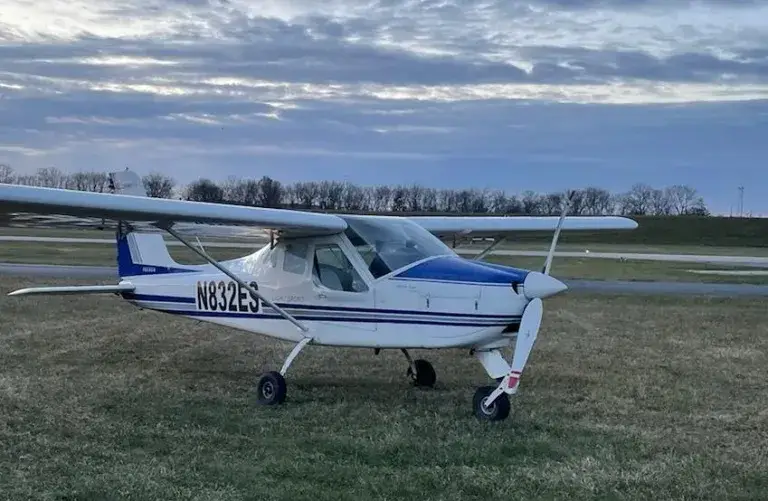
- Training in Dayton Aviation's Tecnam P92, a two-seat light sport aircraft with a glass cockpit
- Instruction based at Moraine Airpark with emphasis on safe decisions, confident aircraft control, and checkride preparation
Requirements
- Be at least 17 years old for airplane privileges
- Be able to read, speak, write, and understand English
- Hold either the required FAA medical eligibility or a valid U.S. driver's license when allowed by FAA rules
- Meet FAA aeronautical knowledge, flight proficiency, solo, cross-country, endorsement, and practical test requirements
- Operate only aircraft and equipment for which you have the required privileges and endorsements

Start With the Right Fit
A Focused Path Into the Cockpit
Sport pilot training can be a strong fit if your goal is recreational flying, local proficiency, and an efficient route to becoming pilot in command. It is not a shortcut around safety standards; it is a certificate with a specific mission and specific limitations.
We will help you understand the medical or driver's license rules, aircraft eligibility, passenger limits, airspace endorsements, and how the sport pilot path compares with private pilot training.
Syllabus Overview
From First Lesson to Sport Pilot
Sport pilot applicants for airplane single-engine land privileges must complete the required ground and flight training, solo experience, cross-country training, and practical test preparation. The FAA minimum for this path is 20 hours of flight time, including required dual and solo components, but most students should plan around proficiency rather than the minimum.
Your instructor will guide each phase based on your consistency, weather, aircraft availability, study habits, and readiness to operate safely within sport pilot privileges.
Phase One
Fundamentals and Aircraft Control
The first phase builds the habits that make every later lesson safer. You will learn preflight inspection, cockpit setup, checklists, basic aircraft control, radio communication, takeoffs, landings, and traffic pattern procedures.
Training emphasizes smooth control, stable approaches, situational awareness, and understanding how the Tecnam P92 performs in normal and abnormal situations.
- Preflight inspection and cockpit procedures
- Basic flight maneuvers and coordinated aircraft control
- Traffic pattern operations, takeoffs, and landings
- Checklist use, radio work, and emergency awareness
Phase Two
Solo Readiness and Local Operations
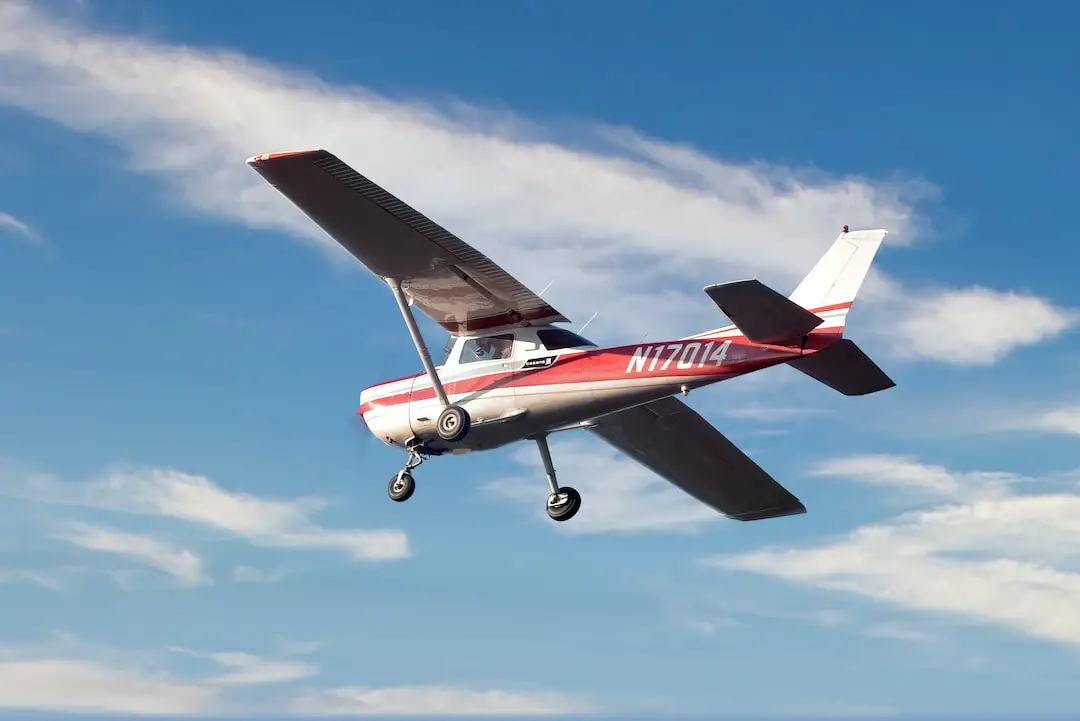
As your control and judgment improve, your instructor will prepare you for supervised solo flight. This includes local area procedures, weather minimums, airport operations, emergency planning, and the endorsements required before you fly alone.
Solo readiness is based on demonstrated safety and consistency, not a fixed number of lessons.
- Pre-solo knowledge and flight preparation
- Local airport and practice area procedures
- Normal, abnormal, and emergency scenarios
- Instructor endorsements for supervised solo flight
Phase Three
Navigation and Cross-Country Training
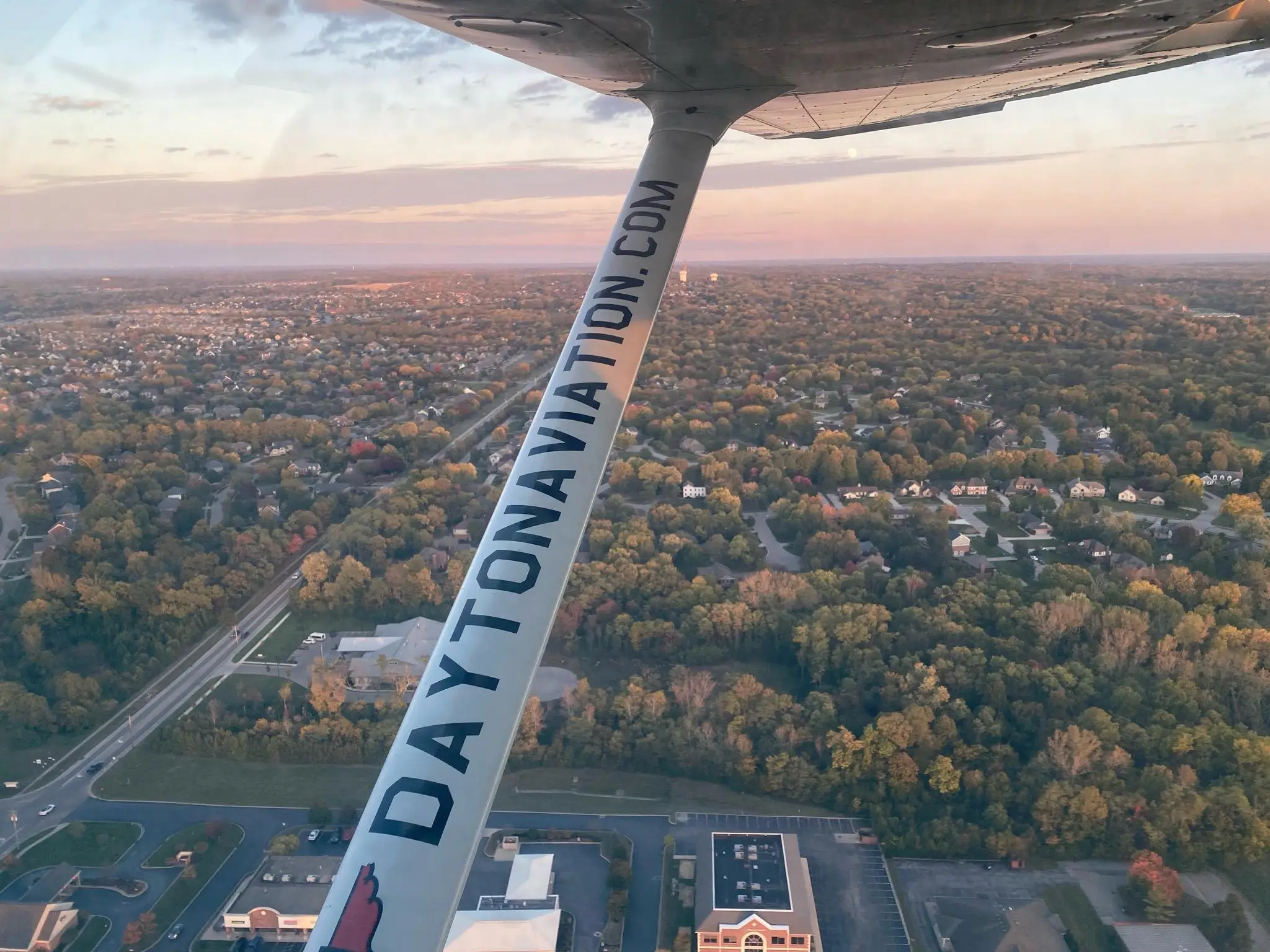
Sport pilot training includes navigation and cross-country experience so you can plan and conduct flights beyond the local pattern. You will learn route planning, weather review, fuel planning, pilotage, navigation tools, and diversion decisions.
The sport pilot certificate has operating limitations, so this phase also reinforces where you may fly, when you need additional airspace endorsements, and how to make conservative go/no-go decisions.
- Cross-country planning and weather decision-making
- Pilotage, dead reckoning, and navigation equipment use
- Solo cross-country preparation and review
- Airspace, visibility, altitude, and passenger limitations
Phase Four
Checkride Preparation
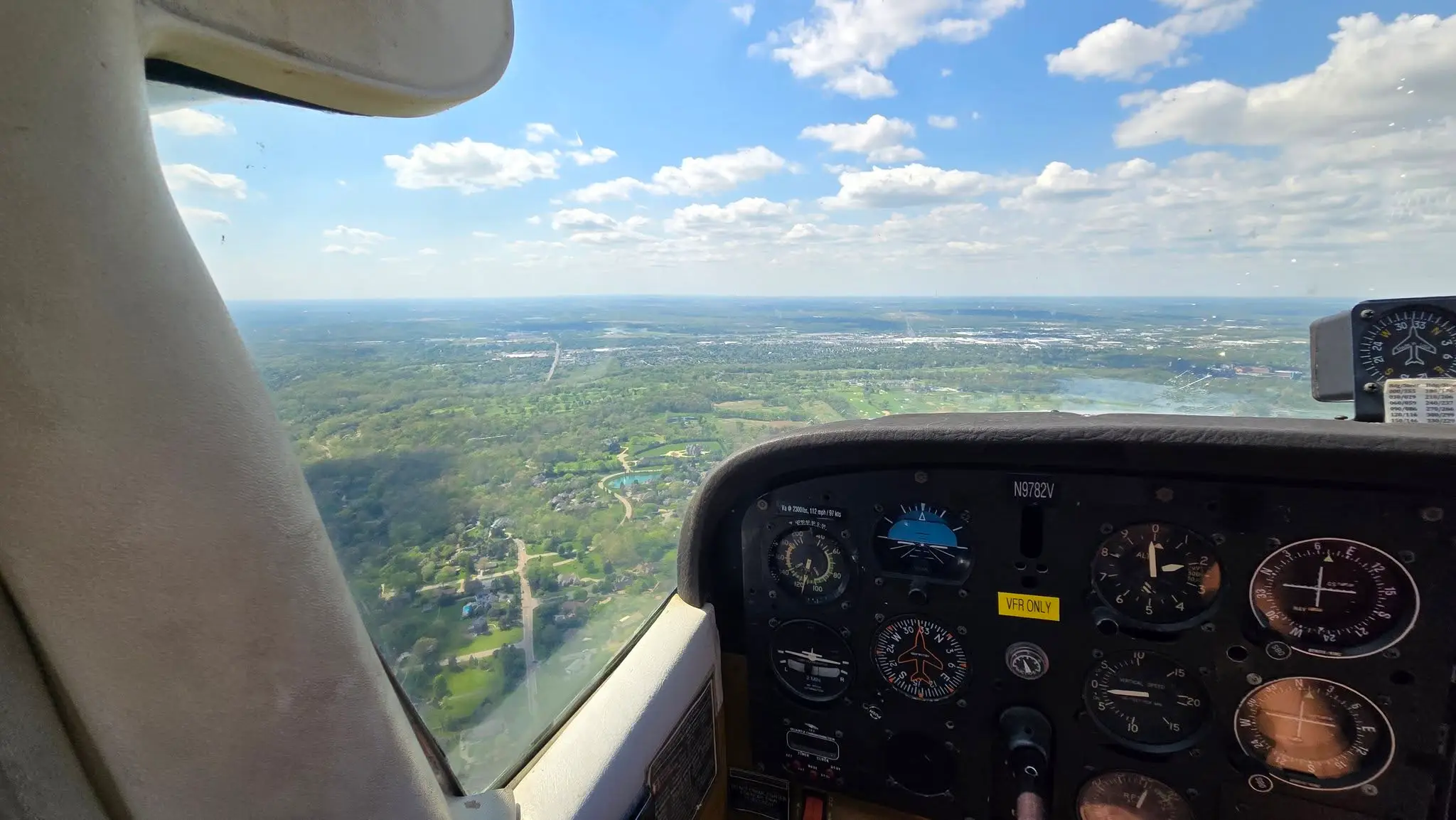
The final phase prepares you for the sport pilot knowledge test, oral exam, and practical test. You will review FAA standards, refine maneuvers, practice scenario-based decisions, and confirm documents and endorsements.
By checkride time, you should be able to explain your privileges and limitations clearly and operate the aircraft safely as pilot in command.
- FAA knowledge test and oral exam preparation
- Maneuver refinement and practical test review
- Privileges, limitations, MOSAIC aircraft rules, and endorsements
- Final readiness check with your instructor
You Are Ready to Fly as a Sport Pilot
After successful completion of the FAA practical test, you earn a Sport Pilot Certificate with the appropriate privileges and may act as pilot in command within the certificate's limitations.
For some pilots, sport pilot is the ideal recreational destination. For others, it becomes a stepping stone toward private pilot training, instrument training, or broader aviation goals.
Clear Your Doubts
Frequently Asked Questions
Do I need any prior experience or background to start?
No prior aviation experience is required. All training begins with fundamentals and builds toward advanced skills.
What are the requirements to start flight training?
In order to start training for a private pilot license, the base certification for flight training, you must:
- Be proficient in English.
- Be at least 17 years old when you complete the course.
- Have proof of U.S. citizenship or completed TSA approval.
- Hold at least a Third-Class Medical Certificate before you can fly solo. An FAA medical exam by an Aviation Medical Examiner (AME) is required.
What does flight training consist of?
Training includes:
- Ground School
Classroom instruction covering aerodynamics, regulations, weather, navigation, and safety. - Dual Flight Instruction
Flight hours with a certified instructor. - Solo Flight Time
Supervised solo flights once eligibility and proficiency standards are met. - Written and Practical Exams
FAA Knowledge Tests and Check-Rides.
Can I train part-time?
Yes. Dayton Aviation supports both full-time and part-time students with flexible scheduling.
Got any more questions? Contact us and we will be happy to answer.
Enroll
Begin Training at Dayton Aviation
Fill out this form and we will get back to you shortly.
Contact Information
Dayton Aviation Services
Location
3800 Clearview Rd, Dayton, OH 45439Phone
(937) 372-2460Hours
Hours may differ on holidays.